Male Flower Part Functioning as Male Reproductive Organ in Flowers: An In-depth Exploration
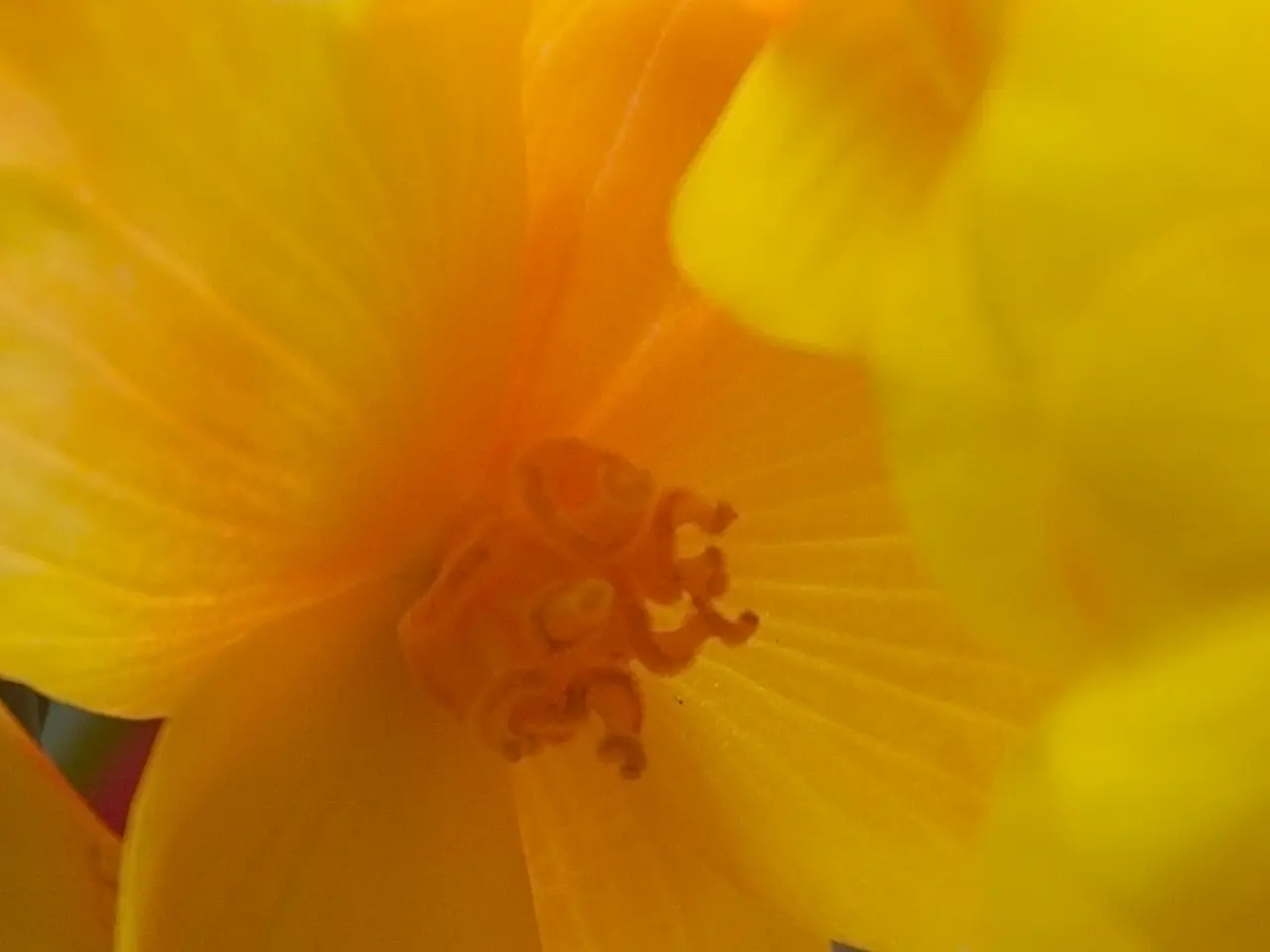
Getting down to the nitty-gritty of botany, flowers ain't just for show - they're essential for plant reproduction. The male repro organs, known as stamens, are the key players in this game. These babies consist of two main parts: the anther and the filament. The anther is where the pollen magic happens, packed with tiny pollen grains that contain the male gametes crucial for seed formation.
Let's talk about the anther. Nestled atop the filament like a tiny, delicate crown, it's where pollen GRINDS get cooked. Each stamen boasts its own anther, and boy, are they varied in shape, size, and attachment to the filament. The anther itself is made up of several layers, each playing a vital role in creating and releasing pollen.
The outer layer, the epidermis, stands guard like a tough old bouncer. Below that lies the endothecium, which assists in the dehiscence process, a fancy word for when the anther splits open to release those precious pollen grains. The middle layers provide nutrients for the developing pollen, while the innermost layer, the tapetum, nourishes the pollen grains like a loving mama.
Now, let's discuss the filament. While it might seem less exciting than its counterpart, it's still a key player in the pollen's journey. Essentially serving as a stalk, it holds up the anther for prime pollination access. The length and thickness of filaments can significantly impact a plant's pollination success, from long filaments elevating anthers away from competing structures to short filaments keeping things closer to home base for self-pollinating species.
But hey, enough about the nerdy details. The main takeaway is that these seemingly simple structures have evolved to increase a plant's reproductive chances across vast distances. And isn't that just nature's twisted way of making things work? Embrace the knowledge, appreciate the flowers, and marvel at the intricate ways evolution keeps us all hanging on.
- In the realm of science, understanding the complexities of healthy cooking can lead to crafting nutritious meals that promote health and wellness, just as the anther nourishes pollen grains for seed formation.
- As a pet owner, ensuring a balanced diet is essential for your furry friends' fitness and exercise, mirroring the careful arrangement of layers in an anther that facilitates pollen production.
- Exploring global cuisines often involves experimenting with various cooking methods and ingredients, much like the evolution of anther shapes, sizes, and attachments to the filament, each optimized for successful pollination.
- The act of cooking not only satisfies our taste buds but also plays a crucial role in nutrition, similar to how the tapetum nourishes the pollen grains inside the anther.
- Lifestyle magazines often feature articles on wellness practices, food (and drink), and healthy living tips, similar to the multifaceted role of the anther in the process of plant reproduction.
- Similarly, the science behind fitness and exercise can be intricate and fascinating, similar to the dehiscence process in the anther, which is crucial for the release of pollen grains.